My grandfather was Manuel Rodríguez. In the 1940s he pioneered the photography business in Moca, our hometown in the Dominican Republic. My father owned movie theaters in that same town.
I grew up between those two things. Photographs on one side of the family, cinema on the other.
Before I was a teenager I carried a little compact film camera everywhere. Family trips, school events, anything. And I paid to have that film developed with money I earned working alongside my dad in his movie theaters.
I have thought about that a lot this month. A boy earning wages in a cinema so he could afford to develop photos. I did not know it then, but that was the entire shape of my life, already finished, before I was old enough to name it.
Boogietek Photo+Cinema is not a list of services. It is my mom's father and my dad, in one word.
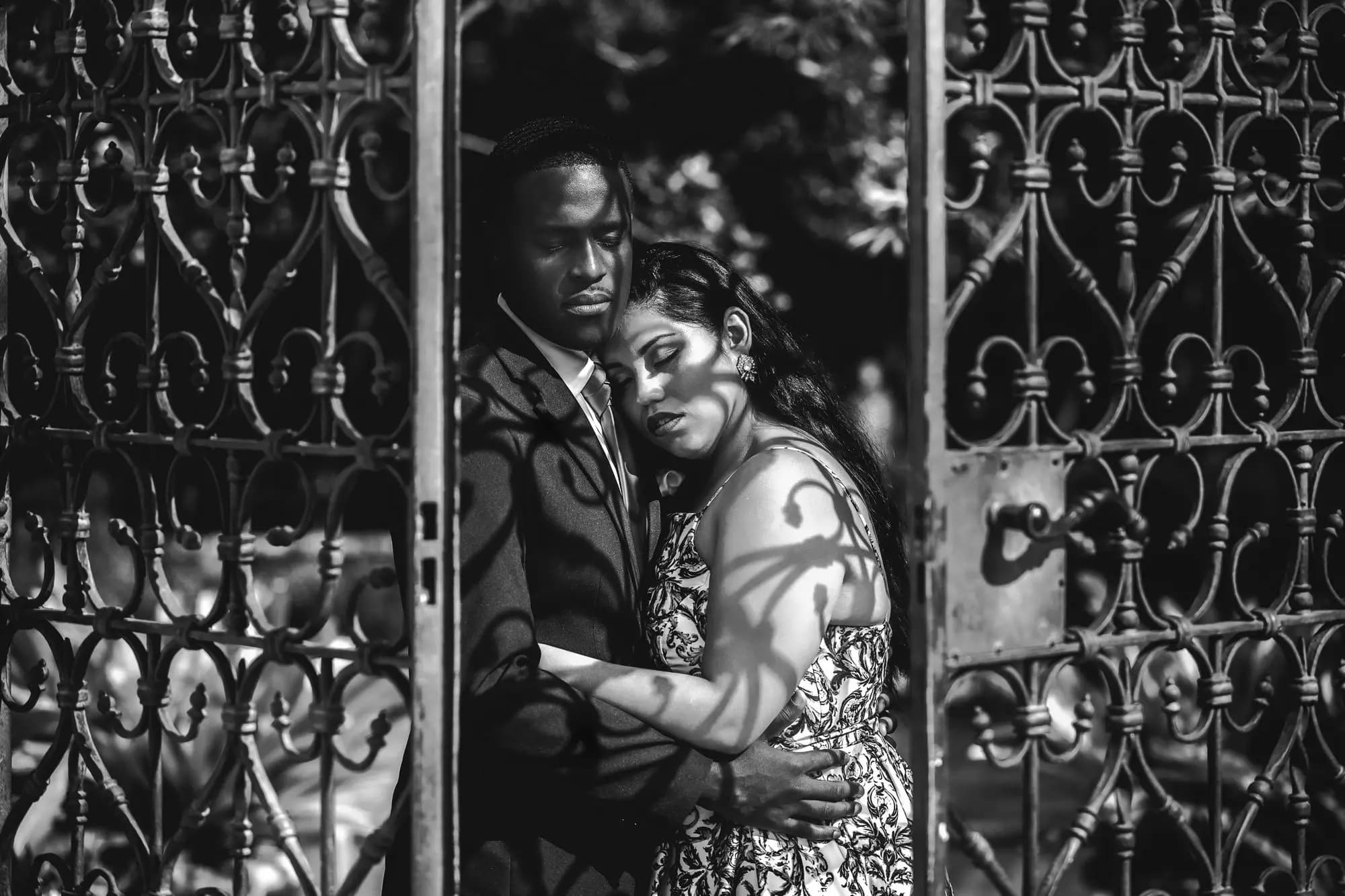
What that does to a person
When you grow up around photographs, you learn early that they are not decoration. They are evidence. They are the only proof that Tuesday, May 30th in 1961 actually happened, that those people were young once, that the location looked like that.
My grandfather understood this in a town where almost nobody owned a camera. If he did not take the picture, there was no picture. That was it.
So when I started shooting weddings in 2008, I never made a decision about keeping the files. There was nothing to decide. You do not throw away someone's wedding memories.
Hard-Drives, Memory-Cards, USB-Sticks went onto a shelf. The shelf became a wall. Formats changed and everything had to be moved or converted. Drives failed and everything had to be moved again. It has cost me money every year since and it has never once occurred to me to stop.
No contract required it. No client knew. Deleting it was simply NOT a thing I was capable of doing.
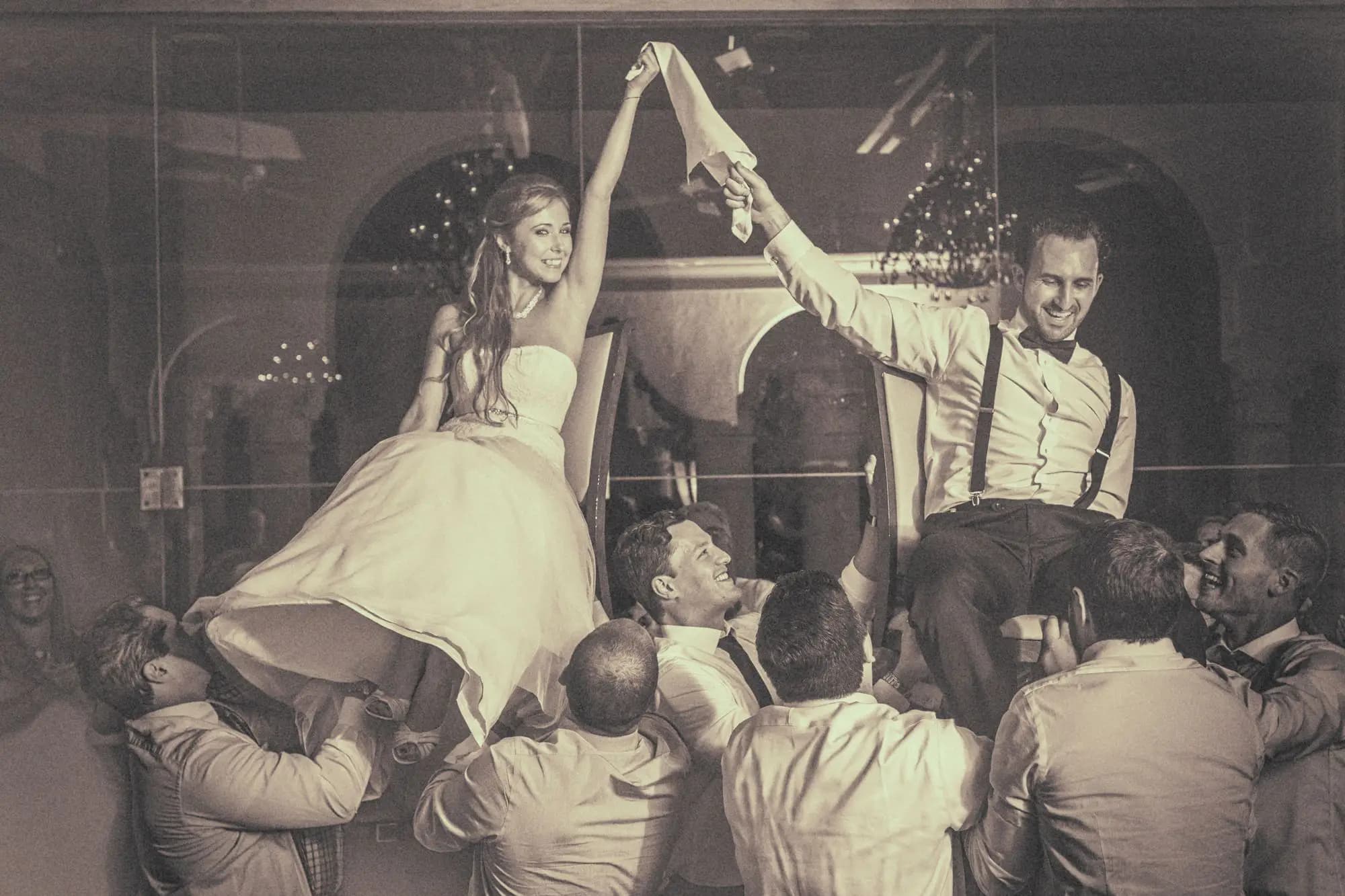
Eighteen years later, I finally told them
In August I wrote to every couple in that archive. More than three hundred weddings.
Five hundred and fifty-four emails to be exact. I had no idea what would come back.
What came back
One bride asked, reasonably, whether I truly had the raw footage of her entire day. She had only hired me for video and wanted to know exactly what was still there. I went and looked. Three hours and thirty-five minutes from every camera that ran that day, when she had only ever seen the forty-minute film I delivered. When I wrote back with those numbers I could feel the pause on the other end.
One bride told me her children had been asking for years to see photographs from her wedding day. She did not have them anymore. Life had moved her, twice, and somewhere between one house and the next they were gone. She had stopped believing they existed anywhere.
They were here. All of them.
That happened again and again. People remembered the gallery. They had forgotten the rest of it existed.
The replies came from every year. Weddings from 2010 and weddings from last season. Couples who had moved to California, to New York, to Georgia, who had not lived in Florida for a decade. One woman picked up the phone instead of writing, sixteen years after her session in the Colonial Zone of Santo Domingo.
Every one of them said some version of the same thing: you still have it?
Yes. All of it.
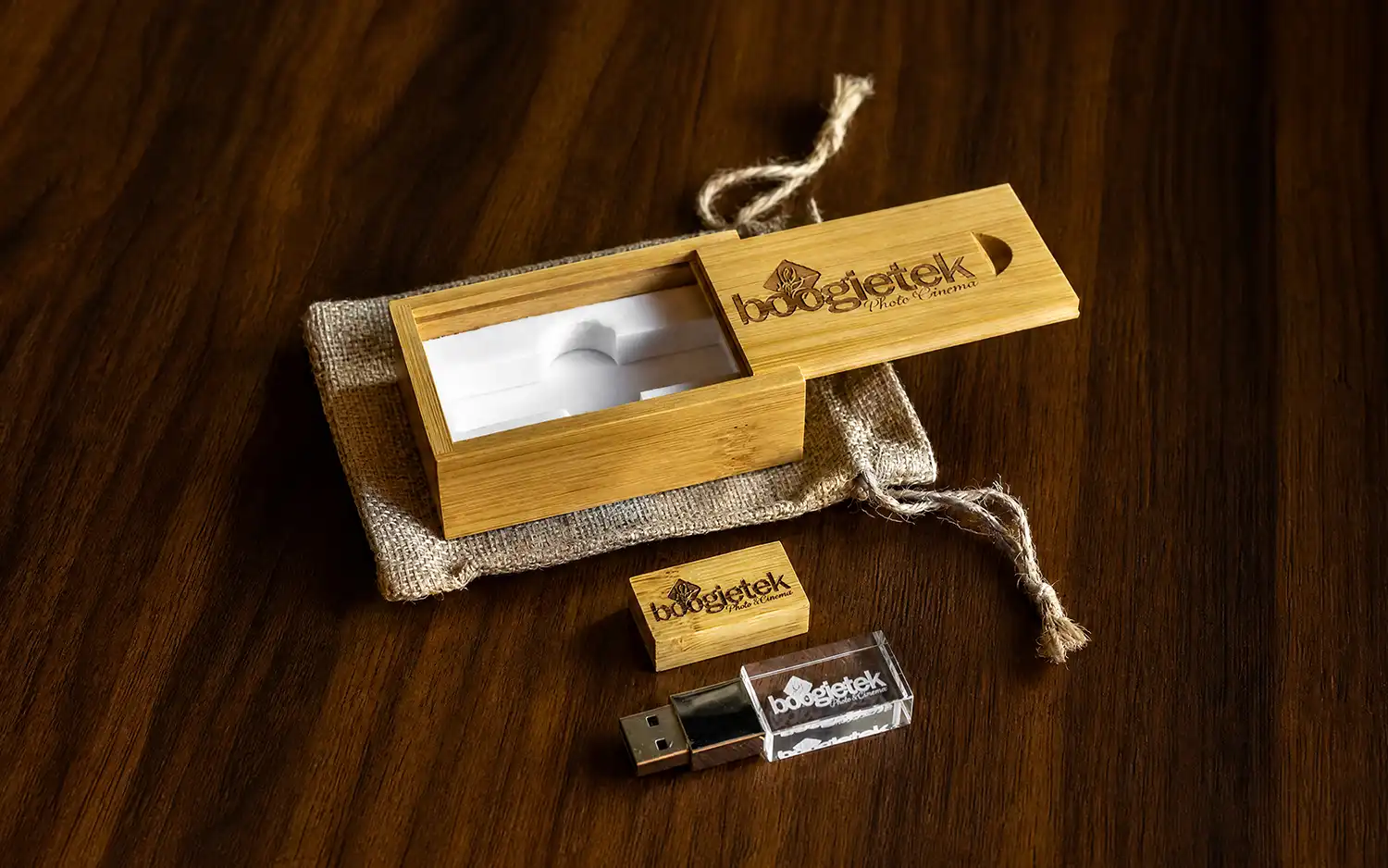
One question worth asking
If you are getting married next year, ask your photographer what happens to your files in ten years.
Not where the gallery lives now. In ten years. Ask whether the company will still exist, whether the link will still work, whether anyone will still have the originals when your children are old enough to ask about that day.
Most cannot answer.