If you are planning a wedding right now, you have probably asked yourself why photographers cost what they cost. Maybe you have not said it out loud, because it feels rude. Let me say it for you.
Anyone can buy a camera on Friday and photograph a wedding on Saturday. There is no license. There is no exam. Nobody is checking. So when one studio quotes you a few hundred dollars and another quotes you several thousand, the question is completely fair: what is the difference and is it worth it to me?
I have been photographing weddings since 2008. Here is my honest answer, including the parts my own industry would rather I left out.
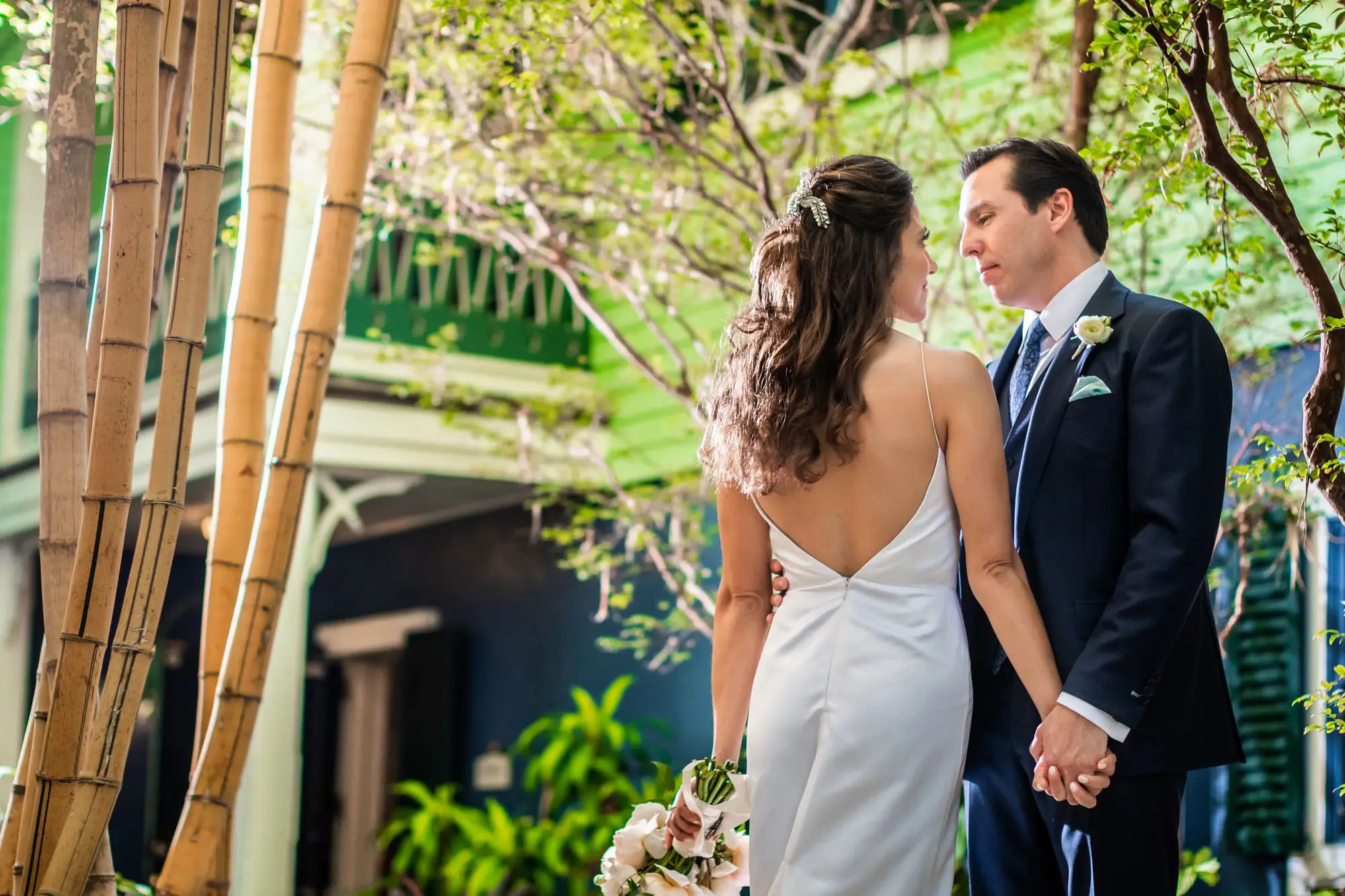
Two things you are not paying for
You are not paying for the camera.
Photographers used to justify their prices by pointing at their equipment and for a while that was fair. When I started, the gear genuinely decided who could work in a dark church or a candlelit reception. That is no longer true. Cameras got so good that the equipment stopped being the hard part. If a photographer is selling you on their gear list, they are showing you the least important thing about them.
You are not paying for editing time either.
The old explanation was that you are not buying eight hours, you are buying the long week afterward. That used to be honest. Today a full gallery can be corrected and finished overnight with software that did not exist a few years ago. I use those tools where they genuinely help and I would rather tell you that than pretend otherwise.
So if it is not the camera and it is not the editing, what are you actually paying for?
You are paying for the day not falling apart
Here is the thing about a wedding day that nobody tells you while you are planning it. Something will go sideways. Not catastrophically, usually. But something.
The rain arrives twenty minutes before the ceremony. The timeline slips and suddenly there are eleven minutes for the photographs you have been imagining for a year. A room looks different than it did at the site visit. Someone important is missing exactly when you need them.
What experience buys you is not a day where nothing goes wrong. It is a day where something goes wrong and nobody panics, the plan quietly changes and you find out about it months later, if at all. That is what eighteen years of Saturdays actually produces. Not better pictures of easy moments. Steadier hands during hard ones.
You are paying for someone who will actually help you
A lot of photographers promise you they will be invisible. No direction, no interruption, you will never know they are there.
I do not work that way and I want to be upfront about it.
Almost nobody has been properly photographed before their wedding day. Most couples feel awkward in front of a camera and then feel guilty about feeling awkward. Leaving you to figure that out alone, on the most photographed day of your life, is not artistry.
Sheila and I move with you. We will tell you where to stand when standing somewhere else makes the photograph better. We will give you something to do with your hands. We will get you out of a crowd when you need thirty seconds alone and then we disappear when the moment belongs to you and not to us.
You should decide which approach you want. Just make sure you know which one you are getting.
You are paying for a whole day, not one good photograph
Anyone can take one beautiful photograph at a wedding. People do it with their phones every weekend and some of those photos are wonderful.
Doing it for eight hours straight is a completely different job. Knowing where the next moment is about to happen before anyone announces it. Reading a room that keeps changing light. Then taking all of it and building one story with no holes in it, where your grandmother is in there, your best friend is in there and the ten minutes you were too overwhelmed to remember are in there too.
That is the part you cannot see in a sample gallery and it is the part that takes years.
Something the industry does not say out loud
This business runs in waves.
There are stretches where the whole market goes quiet at once. Fewer inquiries, fewer clicks, weeks where the calendar stops filling. Every studio in South Florida feels those stretches together. We are in one right now.
What I have watched happen in every one of them, for eighteen years, is this.
A lot of people come into wedding photography as a side business. They have a full-time job, they buy a camera and they take weddings on Saturdays because it looks like a good way to earn extra money doing something creative. Some of them are genuinely talented.
Then the quiet season arrives. The side business stops paying. The camera gets sold for a couple of hundred dollars and they go back to the job they never left. The market empties out and a year later it fills up again with new people doing the same thing.
I am not saying this to be unkind. The ones who leave are not bad people and some of them were good at it. I am saying it because of what it means for you.
Why this matters to you, not to me
Most couples book twelve to eighteen months ahead.
So you are not really hiring someone for your wedding day. You are hiring someone who has to still be in business when your wedding day arrives. Then still be in business when your gallery is delivered. Then still be around years later, when you want those files again and the link you saved no longer works.
That is the real risk in this decision. Almost nobody brings it up.
You do not need to interrogate anyone about it. Just ask two simple things while you are talking to photographers and listen to how easily the answer comes.
Is this what you do or is this something you do on weekends? There is no wrong answer. There is only an answer you should have before you sign.
What happens to my files in ten years? Most cannot answer that question at all. How someone responds to it tells you what kind of business you are hiring.
The thing couples cut first and ask about later
Video is almost always the first line removed from a wedding budget. I understand why. It feels optional in a way photography does not.
In eighteen years, it is the one thing couples come back about.
Photographs hold what your day looked like. Film holds what it sounded like. Your father's voice during his toast. The exact way your grandmother laughed. Your own vows, in your own voice, instead of how you remember them. I have never had anyone tell me they regretted having it. I have had a number of people tell me the opposite, usually years later, usually after someone in those files was gone.
We are one studio that does both. Sheila films, I photograph and we work your day as one team instead of two vendors competing for the same corner of the room.
What you are really buying
I charge by the hour with a four hour minimum, because you should pay for the day you are actually having and not for a package shaped around somebody else's wedding.
What that buys is not equipment. It is eighteen years of wedding days, a team that has worked every one of them together and a studio that was here long before you started planning and fully intends to be here long after your day is over.
That part is not a promise. It is just a track record and you are welcome to check it.